Mill Valley Vice Mayor Caroline Joachim told Mill Valley Briefing that data collected by the city’s Flock Safety cameras had passed its retention period and been purged.
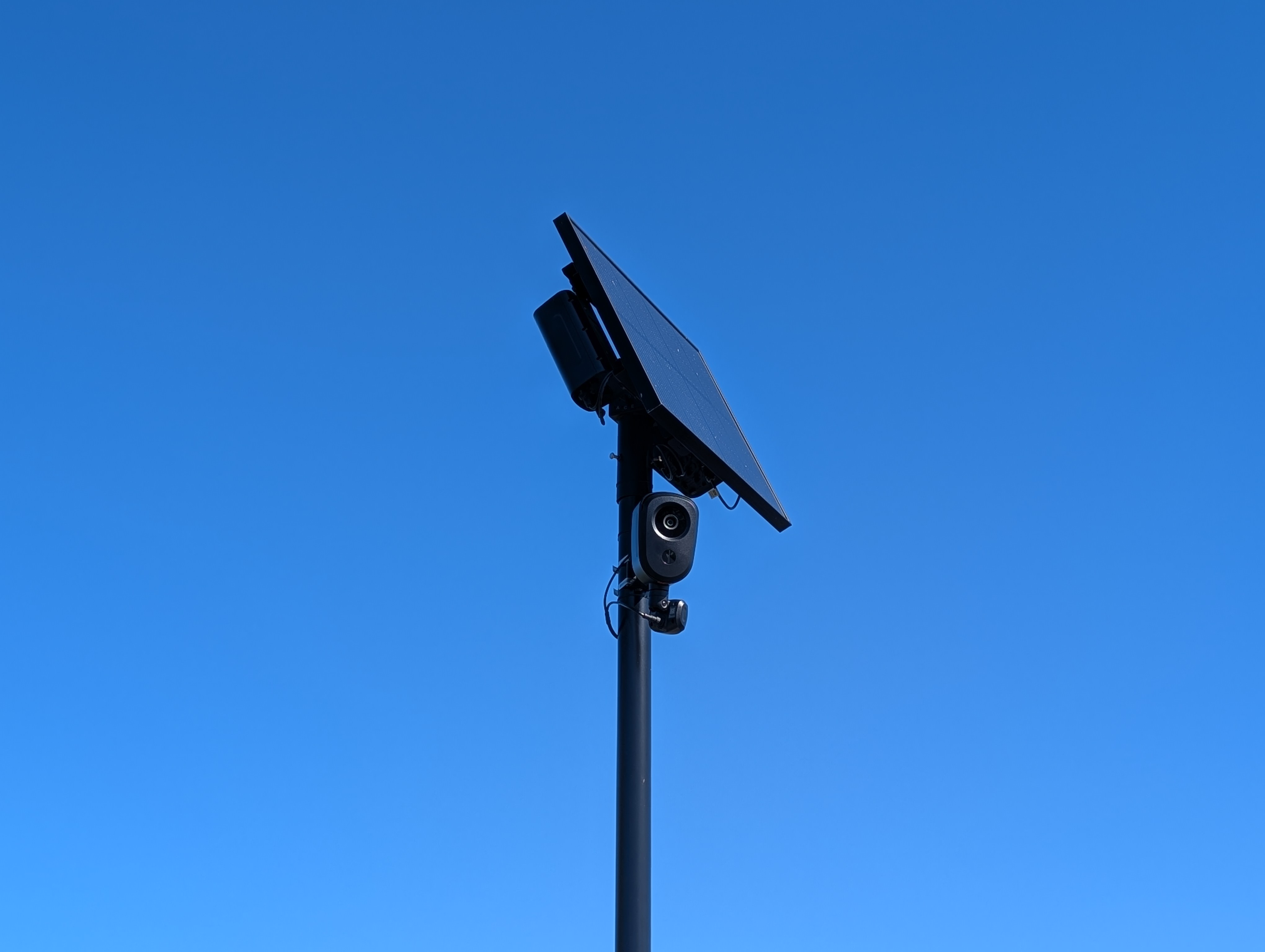
The city’s six license plate readers and two live-video cameras have been disabled since Sept. 9. Flock’s transparency page showed no vehicles detected by Mill Valley’s system during the preceding 30 days as of Oct. 20, the Briefing reported.
The available sources do not establish whether any records previously downloaded as evidence remain. The city’s original staff report allowed police to download camera records needed for evidence and retain them under departmental rules.
The suspension followed changes to Flock’s terms of use midway through the city’s contract, according to a city statement posted Oct. 19. The city said the revised terms did not provide the enforceable protections it required over data access and sharing.
Joachim told the Briefing that city officials met with Flock after the Sept. 8 council meeting to seek binding assurances about data ownership, sharing and use. She said Flock provided an attestation confirming city ownership and acknowledging the city’s request that its data not be used for machine learning.
“It’s a legal attestation versus amending the actual terms of use,” Joachim told the publication.
Flock says its revised terms strengthen customer protections and clarify how data is handled. The company says the online changes apply to agreements incorporating those terms, rather than separate, fixed agreements. Its explanation does not specifically address Mill Valley’s objections.
The City Council approved the system 5-0 on Feb. 24, 2025, according to meeting minutes. The staff report proposed a two-year, $50,400 agreement for six plate readers and two live-video cameras at three locations on the city’s main entry and exit routes.
The city said its program excluded facial recognition, limited retention to 72 hours for live-feed cameras and seven days for plate readers, and required written agreements before other agencies could access its data. It also said it disabled Flock’s statewide lookup feature after concerns arose.
However, Hoodline reported that Mill Valley’s Flock transparency page listed 30-day retention. The publication said it could not reconcile that figure with the city’s seven-day policy.
Joachim told the Briefing that Mill Valley police could still search other agencies’ camera networks where sharing agreements exist.
Other Marin agencies have also reconsidered the technology. Corte Madera Councilmember Eli Beckman announced Aug. 14 that the Central Marin Police Authority planned not to renew its Flock contract upon its October expiration, the Briefing reported. The authority serves Corte Madera, Larkspur and San Anselmo.
The Briefing reported Oct. 21 that Tiburon’s cameras remained active. It said Tiburon’s transparency page showed 103,310 vehicles detected during the preceding 30 days as of Oct. 20 and listed 208 agencies with access. Mill Valley’s page had listed six agencies in August, while its cameras were operating.
Resident Jeremy Revitch urged officials to examine surveillance technology before selecting a replacement vendor, according to Hoodline, citing the Marin Independent Journal.
Mill Valley said it is working with Marin County and neighboring cities to evaluate alternatives. Its priorities include enforceable controls over access and sharing, retention limits, audits, public reporting and vendor accountability.
The city plans to bring findings and recommendations to the council in February 2027. Any proposal to resume license plate reader use would include policies, contract provisions and technical safeguards for council consideration and public review.