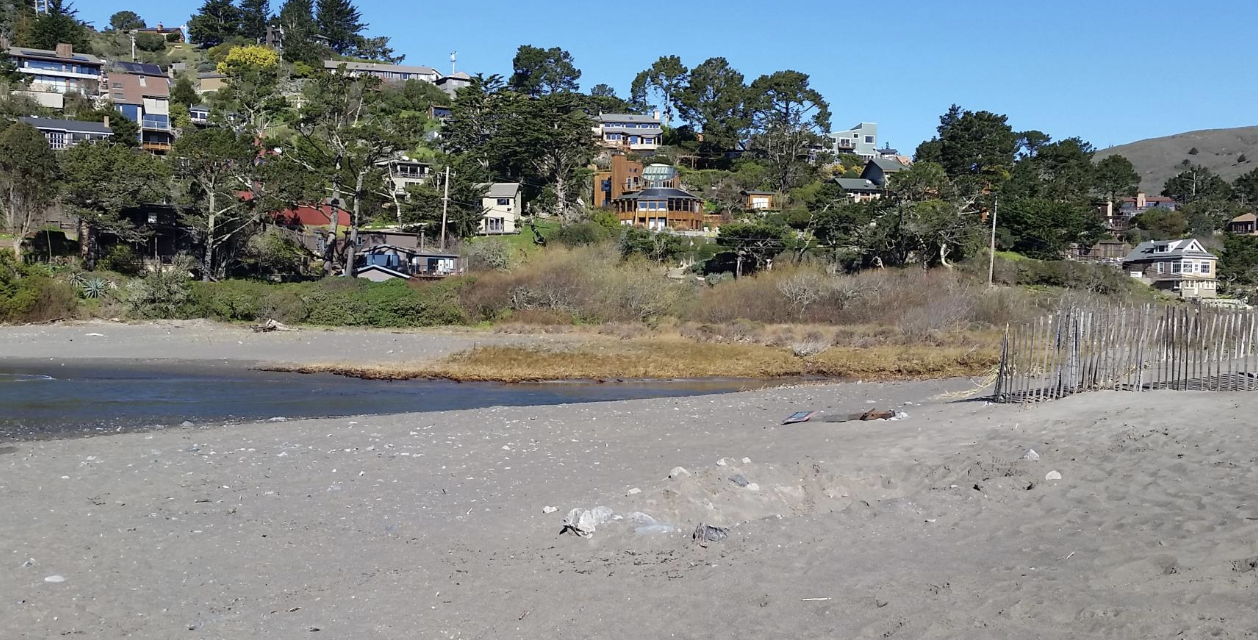
Stinson Beach and Muir Beach are safe for swimming, but Marin County's overall beach water quality took a significant hit this year, and a county official says aging infrastructure is part of the problem.
Heal the Bay's 36th annual Beach Report Card, released in July, found that just 78% of Marin monitoring sites earned an A grade for dry summer weather. That's a steep fall from the county's five-year average of 97%.
The decline happened during a drier-than-normal year, when scores should have improved. Arti Kundu, project manager for Marin County's Environmental Health Services Division, said the pattern points to persistent contamination sources rather than storm runoff. The county recorded about 21 inches of rain between April 2025 and March 2026, roughly 8% below the 10-year average, according to the Marin Independent Journal.
"When summer dry-weather scores drop anyway, that's a signal the elevated bacteria isn't primarily a storm-driven, one-time event," Kundu told the Marin Independent Journal. "It points toward a more persistent source: groundwater seepage, aging septic or sewer infrastructure, or wildlife inputs that don't depend on rainfall to reach the water."
Sewage spills add to the picture
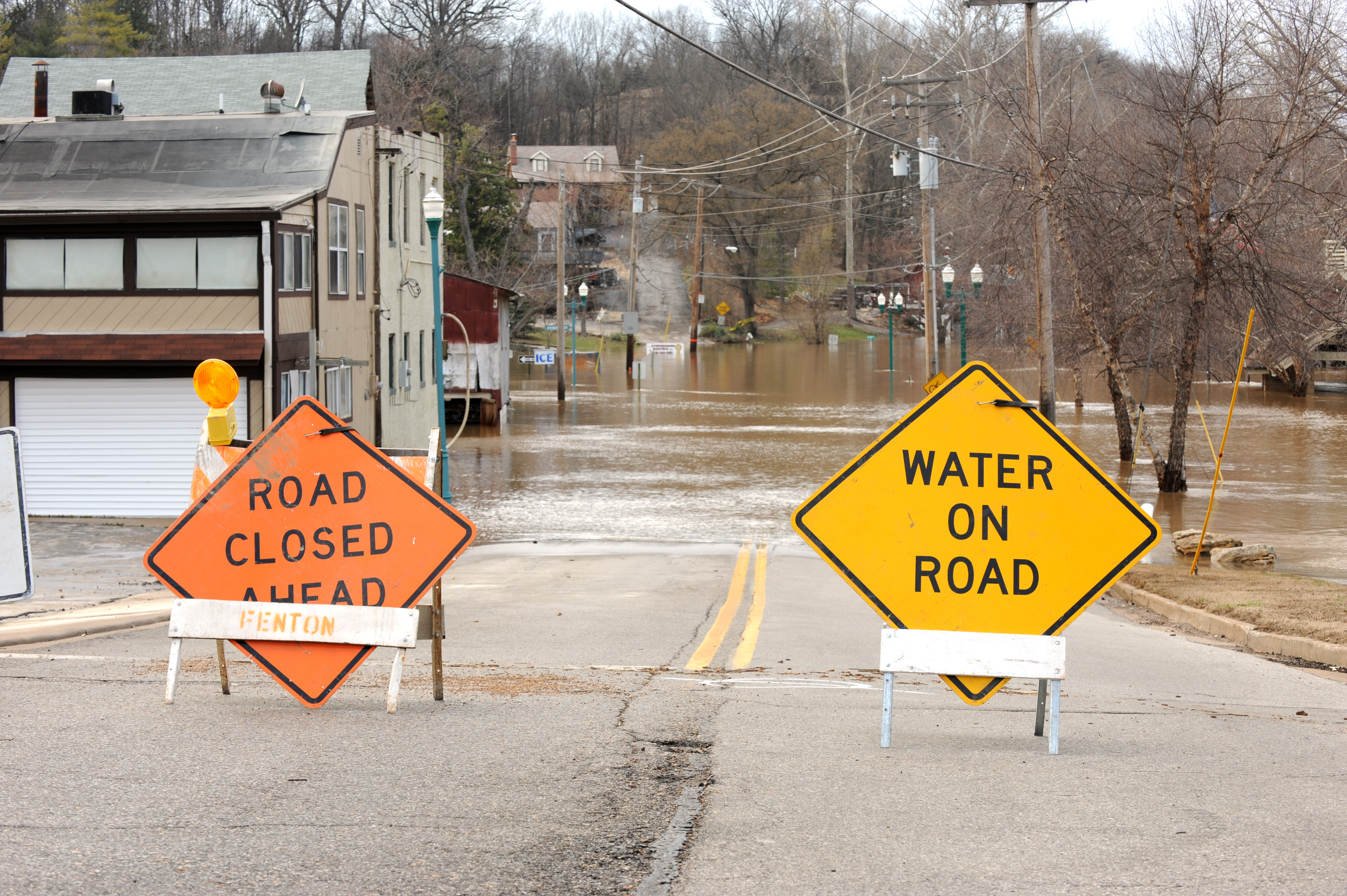
The report also documented 10 sewage spills in Marin County during the monitoring period, releasing a combined 55,000 gallons of raw sewage. A single spill in early 2026 accounted for more than three-quarters of that total: 42,000 gallons. The Heal the Bay report attributed that spill to a combination of historic King tides, an atmospheric river, and lagoon stormwater overwhelming the local collection system.
County health officials said the spills were promptly reported to regulators.
What it means for Southern Marin beachgoers
The worst-graded sites are inland creek locations in West Marin, not the ocean beaches closest to Mill Valley, Tiburon, and Corte Madera. Two spots along Lagunitas Creek earned F grades, and a site near the Green Bridge south of Point Reyes Station scored a D.
The county's most recent monitoring data, from the week of July 20, shows Stinson Beach and Rodeo Beach with OK status, meaning bacteria levels tested within safe swimming thresholds. Muir Beach's central section also tested safe. Bolinas Beach, which had an advisory the week of July 13, returned to safe status by July 20.
Still, 23 of the county's 31 monitored sites had at least one water quality advisory over the past year, according to Kundu.
Rebecca Schwartz Lesberg, executive director of the Marin Conservation League, said the county's stormwater and wastewater infrastructure needs more investment. She noted that in drier weather, creeks see lower flows, and wildlife waste can accumulate naturally in high-use areas.
How to check before you go
The county monitors 31 recreational water sites from April through October and publishes weekly results at marincounty.gov/departments/cda/env-health-svcs/prgm-beach-water-monitoring. Residents can also call 415-473-2335 for a recorded update on current water safety advisories.