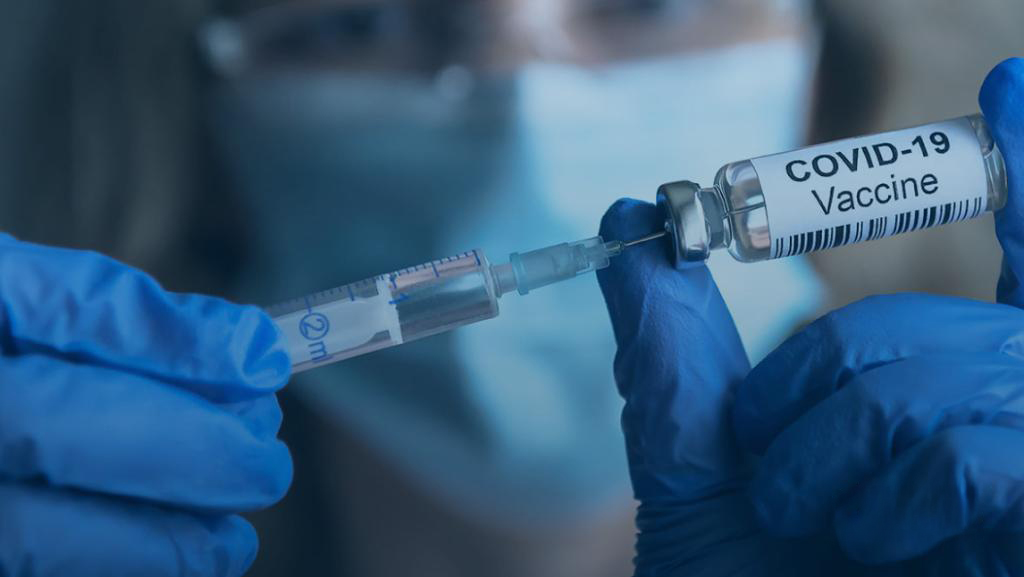
Marin County Public Health is urging residents to get vaccinated as COVID-19 wastewater levels climb across the Bay Area heading into fall.
The county issued a public health advisory on Thursday, Sept. 24, classifying the risk to Marin as "moderate." COVID-19 transmission is rising, driven primarily by the XFG variant, though hospitalizations remain comparatively low. The concern: COVID, influenza and RSV (respiratory syncytial virus) are expected to overlap this winter, potentially straining local healthcare capacity.
Wastewater levels confirm the rise. Marin and Bay Area COVID-19 concentrations have been climbing since summer, consistent with state and national trends. As of late August, a Marin County wastewater site was among seven California locations reporting "very high" viral levels, according to Patch.
Matt Willis, the former Marin County public health officer, told KQED on Sept. 10 that the likelihood of COVID-19 infection "is likely higher for the next couple months than it may be for the rest of the year, until next summer."
Who should get vaccinated
Marin County Public Health adopted recommendations from the California Department of Public Health (CDPH) and the West Coast Health Alliance, issued Sept. 4. "I am proud to work with our public health colleagues and immunization leaders in the other West Coast Health Alliance member states to update our recommendations and ensure our communities are well prepared and protected for the 2026-2027 respiratory virus season," said Dr. Erica Pan, California's state public health officer, in the CDPH announcement. Those recommendations make COVID-19 vaccination available to anyone 6 months and older who wants to reduce their risk of severe illness. That is broader than the U.S. Food and Drug Administration's (FDA) narrower approval, which limits some of the four updated, XFG-targeted vaccines to people 65 and older or those with qualifying conditions.
Under California's AB 144, CDPH-recommended vaccines are covered with no cost-sharing by California-regulated health plans, regardless of the FDA label.
The county especially recommends the COVID-19 vaccine for adults 65 and older, children 6 to 23 months, and children 2 to 18 with risk factors. Adults 18 to 64 with risk factors, people who are pregnant, postpartum, lactating or planning pregnancy, and anyone in close contact with a higher-risk person are also on the list.
Healthcare workers were added as a recommended group this season.
Flu and RSV timing
The advisory recommends flu vaccination for everyone 6 months and older, ideally by the end of October. Children 6 months to 8 years getting their first flu shot need two doses at least 4 weeks apart.
RSV typically rises in October and November. The advisory recommends nirsevimab or clesrovimab for infants under 8 months, with a prenatal RSV vaccine option for pregnant people at 32 to 36 weeks. Adults 75 and older, or adults 50 to 74 with risk factors, are also recommended for a one-time RSV vaccine.
Influenza is expected to accelerate in December and peak in late January, following historical patterns. Last season, combined COVID-19, influenza and RSV hospitalizations in the Bay Area peaked the week ending Saturday, Jan. 3, 2026.
Masking in healthcare settings
The county will not issue a masking order to start the season. Instead, it strongly recommends that healthcare and long-term care facilities require staff and visitors to wear high-quality, well-fitting masks from Nov. 1 through March 31, 2027, when in close contact with patients or residents.
The advisory notes that the county may consider a masking requirement if local conditions show a significant increase in transmission or healthcare burden.
If you get sick
The advisory's isolation guidance: stay home while symptomatic and resume activities after at least 24 hours of improvement and being fever-free without fever-reducing medication.
Residents can reach Marin County Public Health at (415) 473-4163 or after hours at (415) 499-7238.