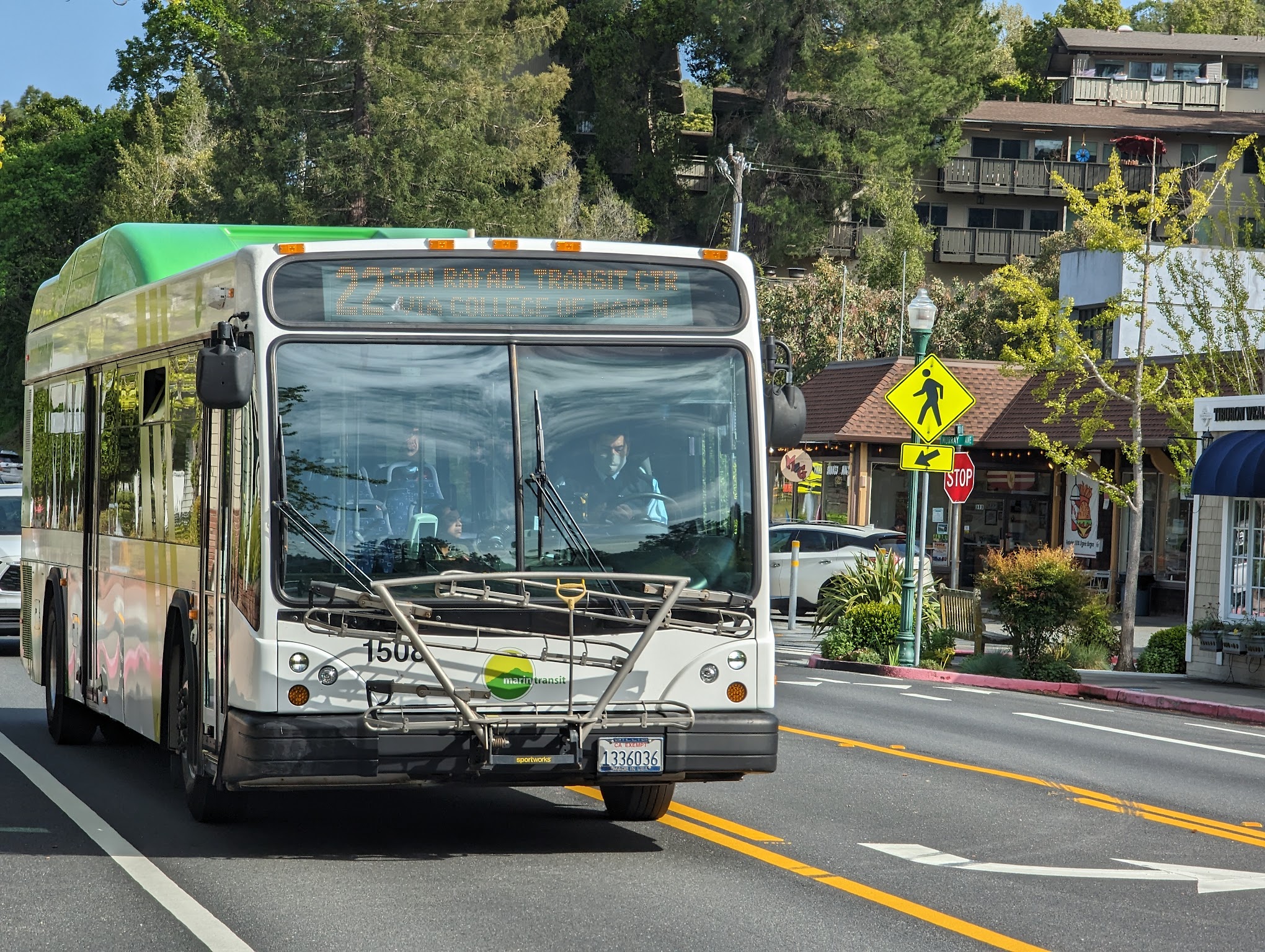
Bus riders who pay cash on Marin Transit would lose free transfers under a fare policy change the agency's board is moving toward adopting, with a proposed effective date of Friday, January 1, 2027.
The proposal also replaces the paid youth pass with a Clipper card system capped at $40 per month.
The board voted July 19 to schedule a public hearing on the fare update for Monday, September 14. After collecting public comments, the board plans to vote on whether to adopt the policy at its Monday, October 5 meeting.
Free transfers will still be available for riders who use a Clipper card or tap a bank card. Those riders also receive free or discounted interagency transfers of up to $2.85 on connections from other Bay Area transit operators.
Cash riders would pay full fare each time they board.
Youth pass changes
The current paid youth pass is being replaced by a Clipper "fare maximum" pass capped at $40 per month. Riders pay per trip, but charges stop once they hit the cap. Because youth riders ages 18 and under already ride free from June through August, the cap applies only nine months of the year.
Cathleen Sullivan, Marin Transit's director of planning, said at the July 19 board meeting that a youth pass holder would have to "ride two times a day, every single weekday, including all holidays … for the entire nine months to exceed the amount they're paying for the youth pass today."
Getting riders onto Clipper
More than 22,000 Marin Transit Clipper users had their cards upgraded to the new system as of June 2026. The upgraded system lets passengers tap credit cards, debit cards, or mobile wallets to pay fares, and lets families manage multiple accounts through an app.
For riders without bank cards, Clipper cards can be loaded with cash at kiosks at the San Rafael Transit Center and at Walgreens and Whole Foods stores. Sullivan said the agency is working with the Metropolitan Transportation Commission to expand cash-loading retail locations in Marin County, particularly in disadvantaged neighborhoods like the Canal.
Marin Transit also has a supply of free Clipper cards to distribute to riders who need them. Sullivan said the agency plans a targeted marketing campaign to help cash-paying riders transition before the change takes effect.
Supervisor Brian Colbert, who serves on the transit board, said staff would adjust the rollout if riders encounter problems.
Ridership context
Marin Transit's local fixed-route system carried 3.35 million trips in the last fiscal year, reaching 111% of pre-COVID ridership, according to data reported by the Mill Valley Briefing newsletter. Route 17, which runs from Sausalito through Mill Valley to San Rafael, carried 225,810 passengers, up 6% from the prior year.
What's next
- Monday, September 14: Public hearing on the proposed fare changes
- Monday, October 5: Board vote on adoption
- Friday, January 1, 2027: Changes take effect, if approved