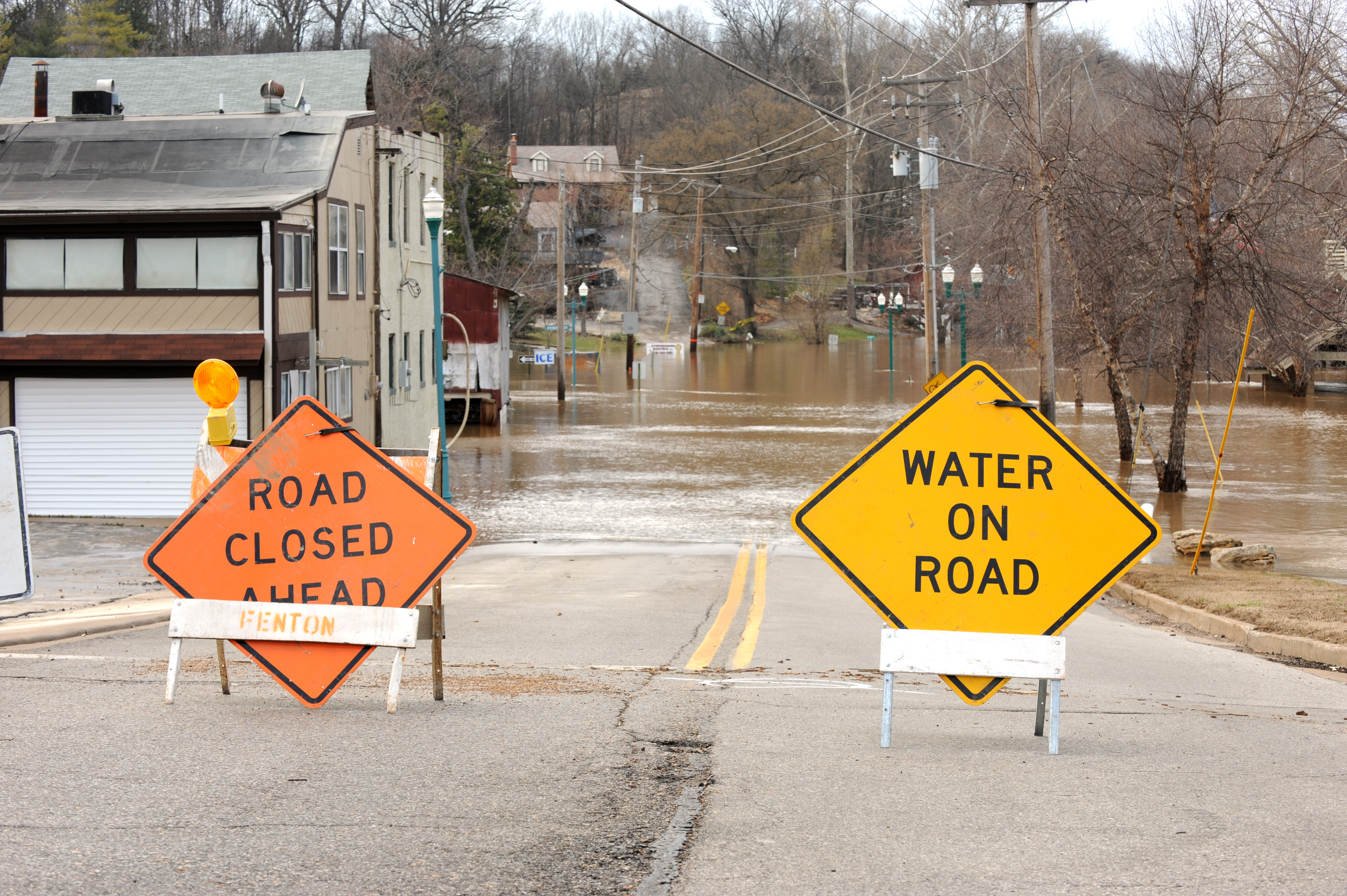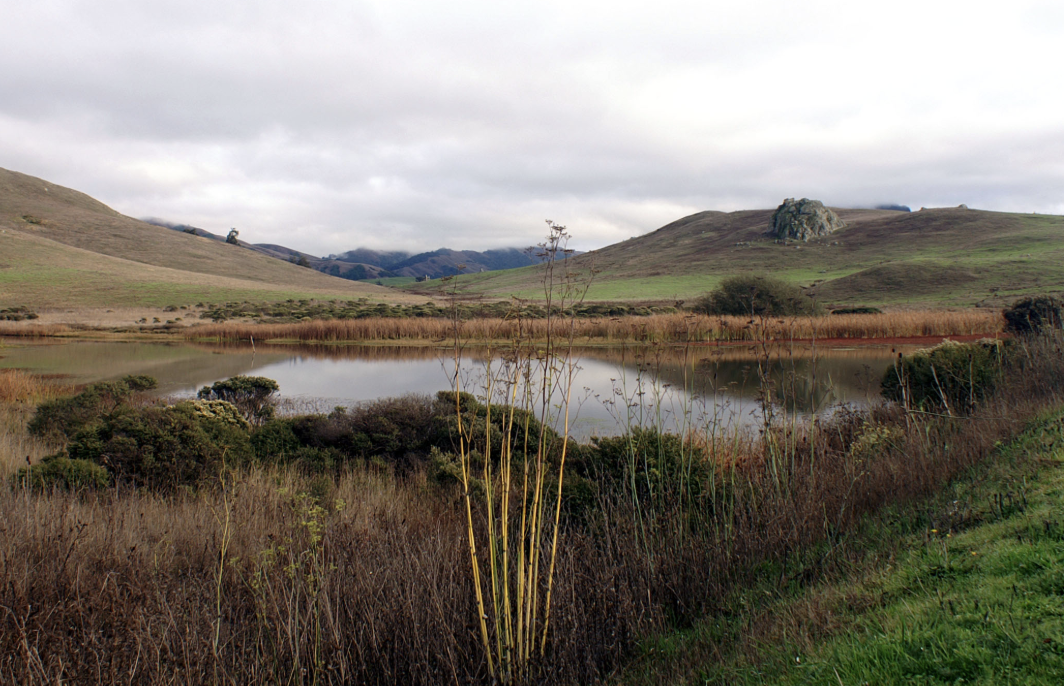
Marin Municipal Water District customers could face mandatory water rationing in the 2040s under an extreme drought scenario the district modeled itself, even though all three state-required drought tests show the supply holding steady through 2050.
The MMWD board voted 5-0 on Tuesday, July 21, to adopt the 2025 Urban Water Management Plan, a state-required 25-year blueprint the district must file with Mill Valley, Corte Madera, and other local cities within 30 days. The vote also approved a companion Water Shortage Contingency Plan after two earlier public hearings.
The headline numbers look comfortable. Under all three state-mandated drought scenarios, the district projects surpluses ranging from 38,000 to nearly 60,000 acre-feet through 2050. But district staff went further, modeling a harsher drought based on conditions worse than the state requires. According to the district's board report, that internal scenario shows a shortfall of nearly 4,800 acre-feet by the fourth year of an extreme drought in the 2040s, even after mandatory rationing cuts demand by 20 percent.
Staff wrote in that report that the state's required scenarios "fail to reflect this vulnerability to drought conditions."
Director Ranjiv Khush echoed that concern at the July 21 meeting, saying that if the district's reservoirs ever dropped to the levels the state's test treats as safe, the board would be panicking. He used more colorful language to make the point.
Ratepayers challenge demand projections
Two public commenters argued the plan may actually overstate how much water future growth will need.
Martha Davis, representing the Nicasio Landowners Association, told the board the plan applies the same water-use rate to new apartments as to decades-old housing stock. New units built under current state efficiency codes with low-flow fixtures almost certainly use less, she said, and the district should give developers credit for the conservation they're already building in.
Phil Sotter, a Woodacre resident and frequent commenter on district water policy, raised a related point: the plan credits the district's new smart meters with future savings but gives no credit to its existing $3-million-a-year conservation team, which already runs leak detection and lawn replacement programs. Leaving those results out, Sotter said, sends "a discouraging message" to the people running those programs.
Both critiques cut the same direction. If demand projections are too high, the district could use those inflated numbers to justify future supply projects and rate increases.
What the plan projects
The plan forecasts the MMWD service area growing from about 188,000 residents to roughly 248,000 by 2050, driven by state housing mandates that have shifted the district's construction assumptions from 90 percent single-family to a 50/50 split with multifamily. Despite that growth, total potable water demand barely moves: about 24,355 acre-feet a year in 2030, rising to roughly 25,350 by 2050, an increase of about 4 percent. Demand projections are based on water-use data from 2017 through 2019, before pandemic spikes and drought restrictions distorted the numbers.
Water Resources Manager Lucy Croy clarified in a July 24 Marin Independent Journal report that the plan is not used for rate setting or infrastructure planning, only for drought contingency planning and population projections.
No rates, zoning, or service changes result from the vote. The district is separately completing the final installment of a four-year rate increase and launching a rate study expected to wrap up in December 2026.
The MMWD board's next regular meeting is Tuesday, August 18, at 5 p.m. The finalized plan will be filed with Mill Valley and other local cities by late August.