Mill Valley has cut greenhouse gas emissions 31% below estimated 1990 levels. But the city still needs to shed nearly 14,800 more metric tons of pollution to hit its 2030 climate target.
The Mill Valley City Council on Monday, Oct. 5, is scheduled to accept the city's 2024 Community Greenhouse Gas Emissions Inventory, prepared by the Marin Climate & Energy Partnership. The staff report, authored by Climate Action Coordinator Grace Ledwith and approved by City Manager Todd Cusimano, calls the 2030 goal achievable.
The inventory pegs Mill Valley's 2024 emissions at 64,222 metric tons of carbon dioxide equivalent (MTCO₂e). That's 41% below 2005 levels. The city's adopted Climate Action Plan targets a 47% reduction below 1990 levels by 2030, meaning an additional 16% cut is needed in roughly four years.
Where the pollution comes from
Two sectors dominate. Transportation accounts for 61% of the city's emissions at 39,100 metric tons. Natural gas use in buildings makes up another 32% at 20,726 metric tons. Together, they represent 93% of Mill Valley's total.
Electricity is the bright spot. Emissions from power use plummeted 95% from 2005 levels to just 899 metric tons in 2024, driven by California's shift to renewable energy and lower per-capita electricity use. Waste disposal emissions dropped 42% over the same period.
Per capita emissions fell 42% between 2005 and 2024, from 8.2 to 4.7 metric tons per person.
The road to 2030
The staff report states that reaching the target will require deeper cuts in transportation and natural gas use, where progress depends partly on behavior change, technology adoption and market conditions. Transportation emissions fell 34% from 2005 levels, with a sharp drop after 2020 tied to pandemic-era changes in travel patterns. Natural gas emissions fell 21%, with fluctuations driven largely by weather and heating demand.
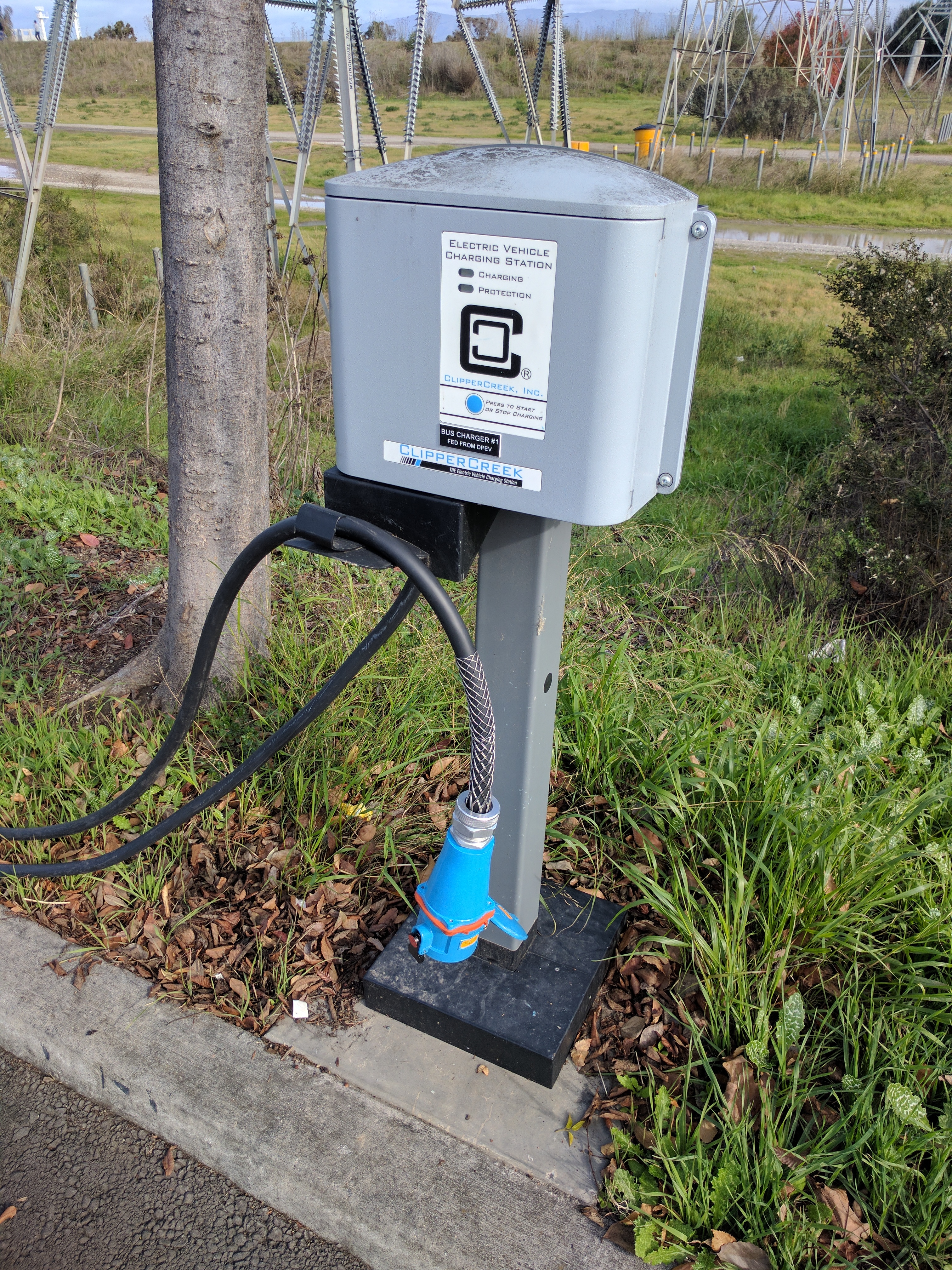
The city has begun planning for fleet electrification, with a preliminary cost estimate of about $1.08 million for vehicles and charging infrastructure. That figure does not include potentially significant costs for utility upgrades, trenching and ongoing maintenance. Mill Valley and the Southern Marin Fire District have secured federal funding for publicly accessible electric vehicle charging at City Hall and the Public Safety Building.
Broader context
Mill Valley's 31% reduction from estimated 1990 levels exceeds Marin County's 24% reduction over the same period. Marin's greenhouse gas emissions have dropped 24% since 1990, according to the Marin Climate & Energy Partnership. The statewide target is a 40% reduction by 2030, while Mill Valley's target is 47%.
The Institute for Local Government selected Mill Valley for a 2026 Platinum Beacon Spotlight Award for sustainability practices, citing programs including updated building codes, municipal fleet planning and heritage tree protections.
One note: the 1990 baseline is an estimate. California Air Resources Board guidance sets it at 15% below 2005 levels, since reliable local data from that era doesn't exist. Accepting the inventory carries no direct fiscal impact, though future fleet and infrastructure projects will come back to the council with specific price tags.
The council meeting is open to the public.