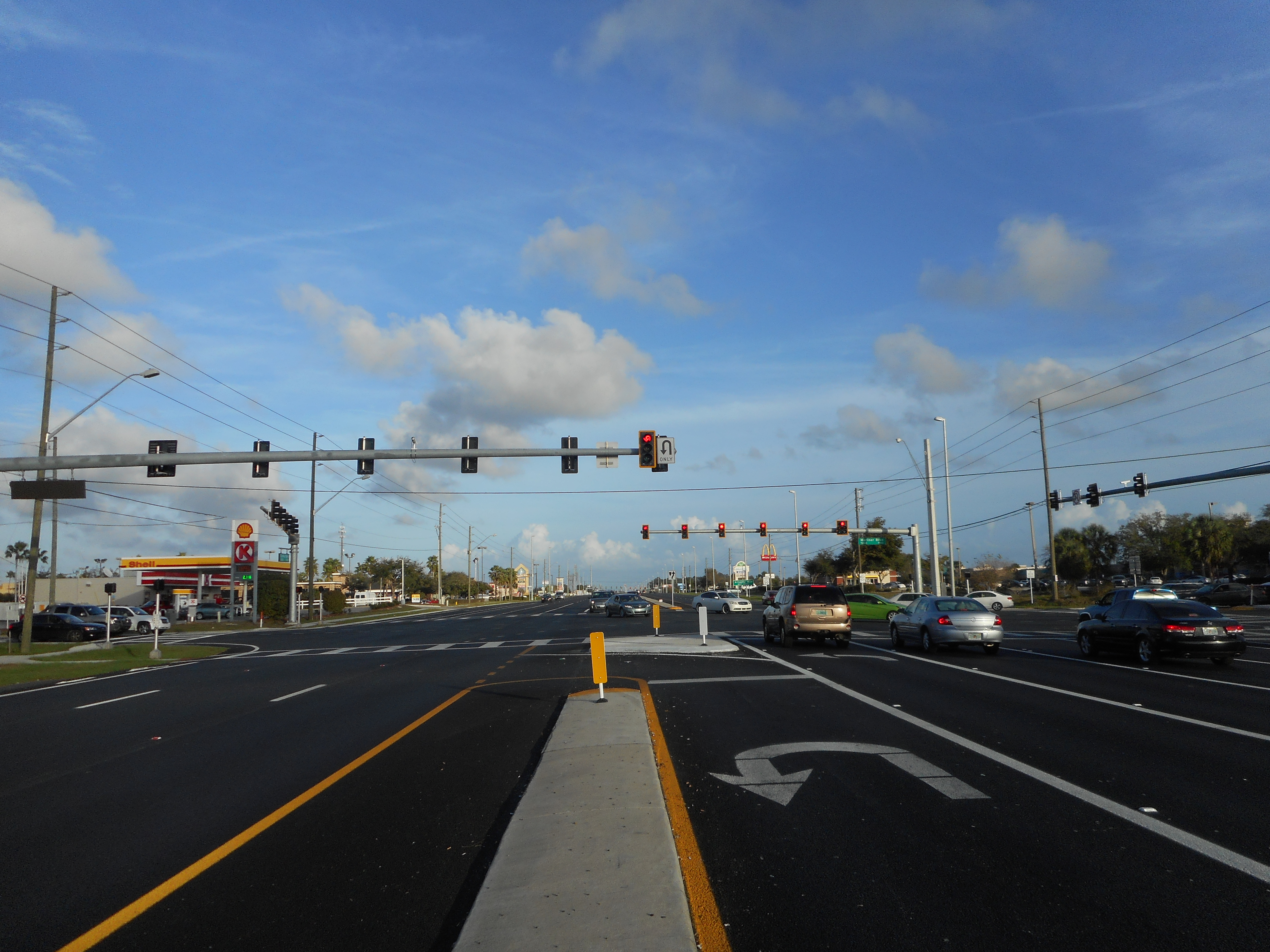
Tiburon's planned adaptive traffic signal at Tiburon Boulevard and Trestle Glen Boulevard won't be running until spring 2027, pushing back a project aimed at easing congestion on the peninsula's main corridor.
"Tiburon's adaptive-signal pilot at Tiburon Boulevard and Trestle Glen Boulevard will not be running until spring 2027," Public Works Engineering Manager David Eshoo said, as reported by The Ark on Tuesday, Sept. 8.
The Tiburon Town Council voted unanimously on May 20 to add the adaptive signal pilot to the town's Fiscal Year 2026–27 Capital Improvement Program, with a budget not to exceed $180,000. The system uses artificial intelligence to adjust signal timing, according to the Marin Independent Journal.
Eshoo said the spring 2027 timeline reflects the pace of Caltrans' review process, which the town's consultant, Parametrix, must complete before a design goes back to the council. A council update summarized by Citizen Portal on Sept. 3 indicated that consultants still need to collect additional data and coordinate with Caltrans before returning with recommendations in November 2026 and again in January 2027. Estimated implementation costs range from $105,000 to $180,000, depending on the equipment the town approves.
The delay coincides with a separate Caltrans project on the same stretch of road. Caltrans began construction on curb ramps and sidewalks along State Route 131, which is Tiburon Boulevard, as early as Aug. 31. Paving for that project is also scheduled for spring 2027, between 11 p.m. and 6 a.m. No source has confirmed whether the two projects are linked.
A similar adaptive signal system activated on Mill Valley's East Blithedale Avenue in November 2025 cut midday travel times 13.6 percent eastbound and 11.6 percent westbound, according to a February 2026 evaluation by engineering firm Kimley-Horn.
The need for signal upgrades extends across the county. A Transportation Authority of Marin draft study of 234 intersections found that nearly two-thirds of signals in Marin transit corridors lack remote-control capability, more than half cannot sync timing between them and 94 percent have no camera monitoring.